Sticks & Stones May…What? And Words?
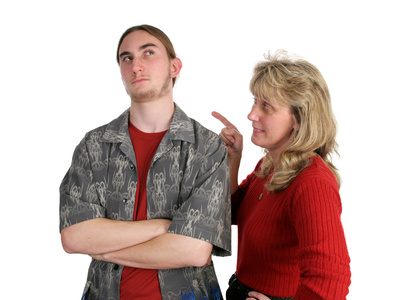
Remember the saying that “sticks and stones may break my bones but words will never hurt me.” It’s a lie. According to a study involving over 20,500 participants, we need to change that saying to something like “sticks and stones may break my bones and words will rewire my brain and possibly detract from my healthy well-being for the rest of my life.” It doesn’t have the same zing, but it’s more accurate. It also accurately locates the responsibility for improving the problem to the one who is “casting the words,” not the victim who feels the blunt force of them. In too many cases, I have heard parents “casting the words” toward their children. So let me say harsh words, especially those directed at children, have a lifelong impact.
Research generally defines verbal abuse toward children as a pattern of using criticism, threats, name-calling, or verbal rejection of the child. This pattern contributes to the child feeling belittled, blamed, threatened, frightened, or ridiculed on a regular basis. This pattern of verbal abuse also shapes how a child views the world, themselves, and others in a negative and less than healthy manner.
Even more, verbal abuse shapes the neural pathways in the brain. This change in neural pathways alters how a child’s brain perceives him/herself and others. Specifically, the neurological “fight or flight” system within the brain becomes hyperactive. It becomes hypersensitive to environmental cues. Facial expressions, jokes, or even neutral comments are more easily misinterpreted and taken as cues for danger, self-protection, or withdrawal. Any cue that even comes near a potentially threatening experience will arouse anxiety, defensiveness, and self-protection.
This pattern of verbal abuse also “blunts the brain’s reward system.” In other words, the brain becomes less responsive to positive experiences.
Less responsive to positive experiences & more sensitive to anything nearing a potentially threatening experience is not a good combination. The wounds created by this pattern become embedded in our children’s self-concept, raising doubts about their abilities and worth.
The wounds also shape the lens through which our children view the world around them. They learn to view the world as an unsafe place in which they can trust no one. Relationships suffer, especially romantic relationships. Personal ability to manage the stresses and trials of life may give way to anxiety and depression. The “words that will never hurt me” will have become the “words that bludgeoned my self-worth, my relationships, and my confidence to navigate the world effectively.”
Parents, we need to take this information to heart. We need to be emotionally stronger than our children. We need to remain kind, even during firm discipline. We need to throw out any words or tones of voice that belittle, threaten, or demean our children. Stop all name-calling, ridicule, and excessive criticism. Replace it with loving words of encouragement, endearment, and value. Let our boundaries be firm yet respectful of our children’s dignity. For when a child grows up with praise, compliments, thoughtful understanding, and loving limits, they learn to form healthy, secure relationships that enhance their well-being, their sense of security, and their place in the world. Isn’t that the goal for which we strive?
-0 Comment-