Infants, Screen Time, & The Brain
A study published in eBioMedicine followed 168 children for more than a decade. Starting in infancy, the research team measured the infants’ screen time and then conducted brain scans at 4.5, 6, and 7.5 years of age. Screen use during infancy impact brain development, especially during the sensitive period of infant brain development. Specific to this study, the higher the screen time, the more accelerated the development of brain networks responsible for visual processing and cognitive control. Unfortunately, accelerated development does not always translate into positive outcomes.
The brain typically develops in a gradual manner, becoming more specialized over time. When networks responsible for vision and cognitive control specialize earlier, the child will not have developed efficient connections for complex thinking about what they have experienced. This leaves the child less flexible and resilient, less able to make sense of what they are seeing or “thinking about.”
As a result, when increased screen time led to accelerated maturation in brain areas responsible for vision and cognitive control, children took longer to make decisions during cognitive tasks at 8.5-years-old, and those children reported higher anxiety at 13 years of age. In other words, screen time led to alterations in brain development that contributed to slower decision making and higher anxiety.
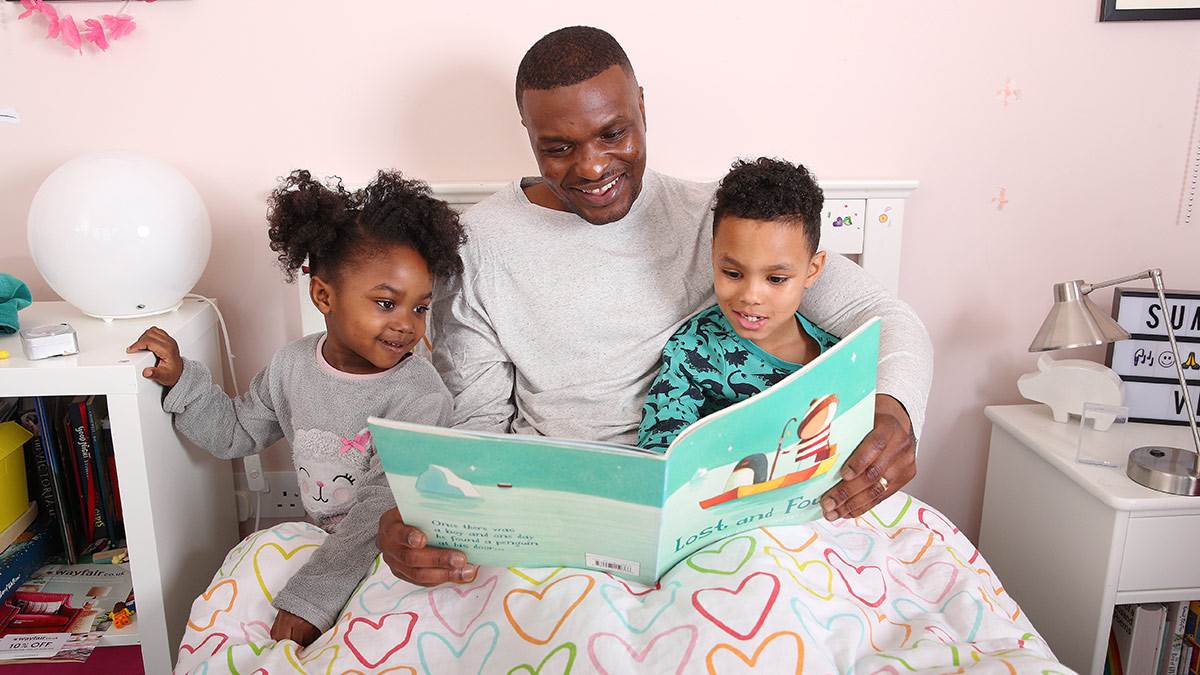
In a previous study completed by the same team of researchers, they discovered that infant screen time impacted brain networks governing social-emotional regulation. However, for children whose parents read to them frequently when they were 3 years old, the link between screen time and altered brain development was significantly weakened. The enhanced, interactive, back-and-forth experience of as parent reading to their child not only enhanced language and emotional connection, but it also lessened the negative impact of screen time.
What’s the takeaway?
- Too much screen time for our infants will alter their brain development in detrimental ways. Tell your friends who have young children. Don’t let screens become your infants’ babysitter.
- Active interaction between parent and child will buffer the negative impact of screen time. Children learn best with human-to-human contact, face-to-face interaction with someone they know and love. So read to your children. Engage your children in interactive play and activity.
- Interactive parent-child play will also enhance your children’s language skills and emotional regulation. All this will benefit your child in many positive ways as they move into adulthood.
To sum it all up, don’t let screens become your child’s babysitter. Engage your child. Read to your child. Get down on the floor and playfully interact with your child. Have fun. You, your child, and your child’s brain will all benefit.
-0 Comment-