Sculpt Wisely
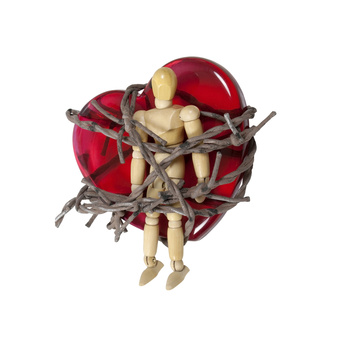
The day will come if it hasn’t already. Your children fall down. They scrape their knees. They get an illness and need a shot. Many parents have such empathy that they feel their children’s pain as their own. They know it hurts and they feel the tinge. And that love and empathy is good. But sometimes too much of a good thing becomes detrimental. We need balance. That’s where this Dartmouth study comes in.
In this study, participants completed three tasks, each having a similar sequence. First, they viewed a graph representing how painful or mentally challenging ten “previous participants” had rated the activity. (Although the participants thought the graph represented actual data, it was actually randomly created and completely independent of the intensity or the activity. There were no real “previous participants.”) Then researchers asked the participants to estimate the level of pain or mental effort they expected to experience during the activity. Finally, they engaged in the activity.
One activity was an “experiential pain task” in which heat was applied to their arm to create a “painful but not harmful condition.” A second activity involved watching videos of others in pain. And a third activity involved mentally rotating images of two 3D objects to determine if they were identical.
In the two activities involving pain, participants felt more pain if they had received a graph indicating that those before them had experienced higher levels of pain. In other words, the participants felt the level of pain created by information others had reported. The greater the level of pain reported by others, the greater the perceived pain by the participants. This held true even when the participants received a “low level of heat” in the first scenario and saw “less expressions of pain” in the second scenario.
The same connection was true for the activity involving mental effort. The greater the expectation of effort created by information from “previous participants,” the greater the effort perceived by the participant.
With this in mind, you can help your children persist through pain and mental effort by not “overdoing” your concern and not exaggerating your own pain. When you get hurt, offer an honest assessment of your pain. When your child experiences pain, offer genuine empathy that matches the severity of their painful experience rather than coloring the situation with your emotional pain of witnessing your child’s pain. In fact, ask your child, in a calm manner, about their level of pain and respond accordingly. If they rate their pain at a minimal level, don’t respond as though it’s a high level. After all, your opinion will sculpt your child’s experience of pain and ability to manage pain for a lifetime. Sculpt wisely.
-0 Comment-